Wild Olives
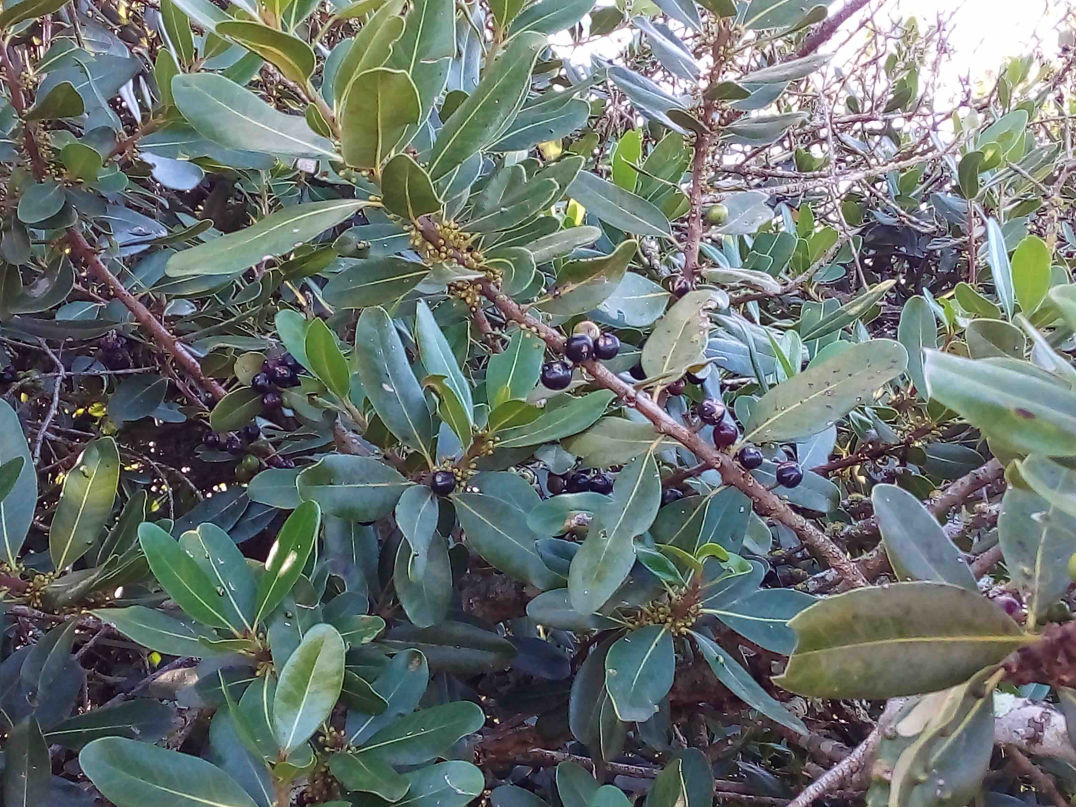
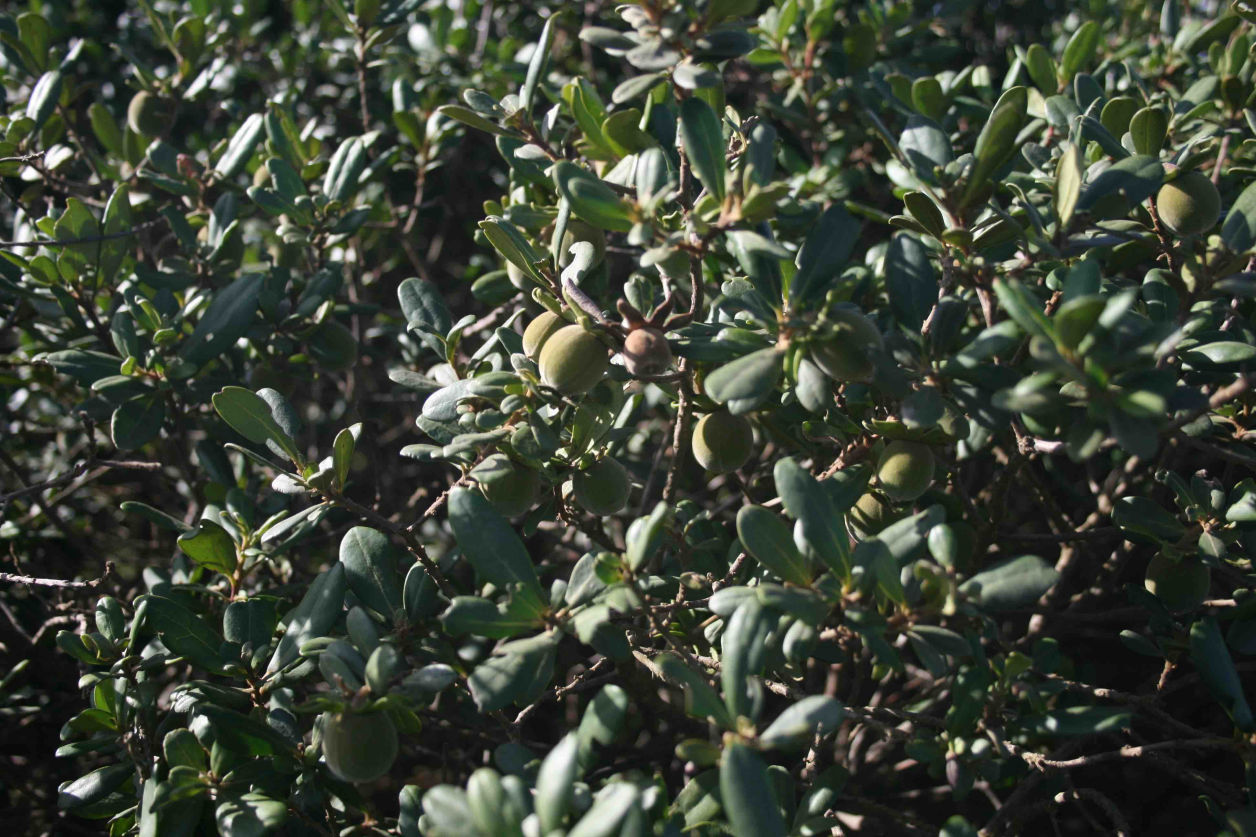
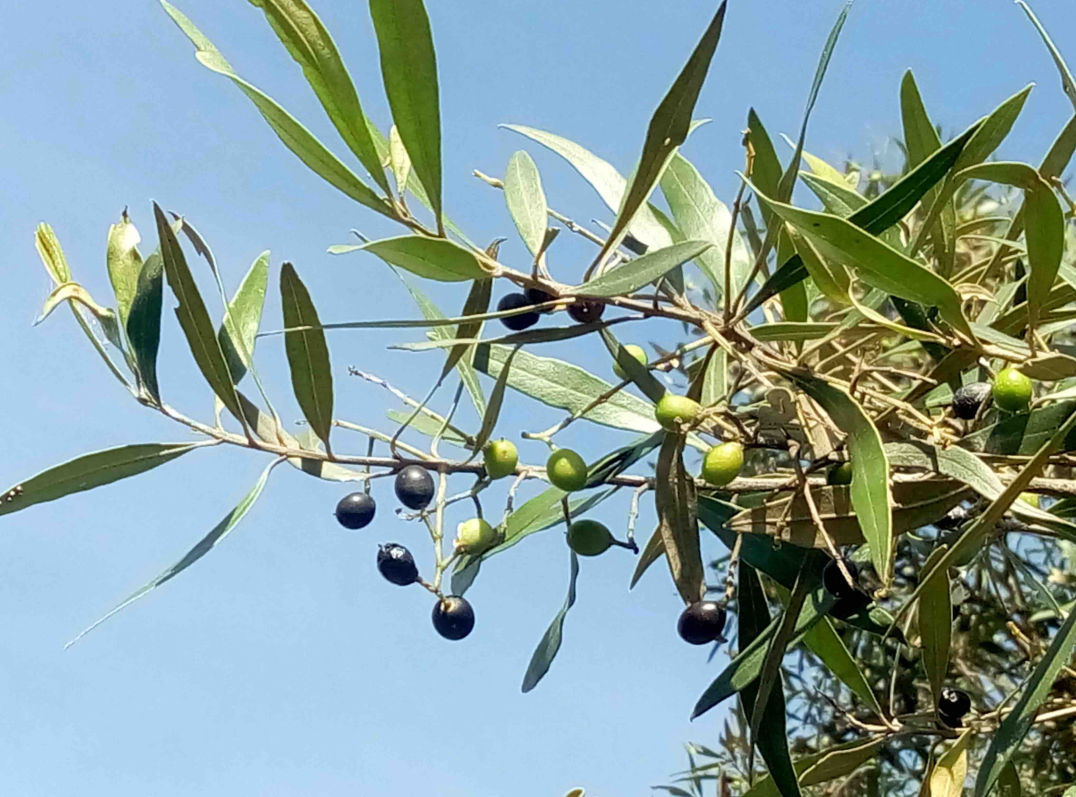
The wild olive is exactly what it is called. It is identical to the olive we all know but represents the uncultivated tree. The fruits are a lot smaller and contain less oil but unlike a commercial olive, a wild olive can be eaten raw from the tree. Did you know that the Roman Emperors refused to consume regular olive oil? They considered it oil for the plebs, the working class. They would only use oil made from a wild olive tree. Therefore olive oil made from this tree is often referred to as Emperor's olive oil.
12kg of wild olives create 1 liter of oil. In comparison, from a regular commercial olive tree you would only need 6kg of olives.
There are other trees from the olive family that grow on the farm which also produce olive-like berries such as the Olea exasperata (Coast Olive) or the Olea capensis (Ironwood). Ironwood is the heaviest known timber (gravity of 1.49) causing it to sink when put in water. It is so hard that it is impossible to work with using only hand tools. These olive trees have an additional benefit. They tend to manage the Mycorrhizae (fungi) which benefit all surrounding plants.
Crossberry
Although probably more a large shrub than a tree, the Crossberry provides plentiful berries throughout the year. This, often used in formal gardens, beautiful shrub has many benefits. The long lasting wood was used by the Khoi for the creation of their bows. Although the berries are not really pleasant to eat because of the large hard pips, they contain large amounts of sugar. The berry has a long history and was considered lunch for the young shepherds/herdsmen. They would boil the berries in a cup of milk, releasing all the sugars into the milk, turning it into a energy strong "milkshake".
Taaibos
Taaibos comes in several distinct variants on the farm, from a small shrub up to a small tree. All of them are abundant seed producers and the seeds have a high nutritional content. The seeds of this tree/shrub have been used by humans throughout history as an important source of starch. This plant's sister is a commercial crop known as the pistachio nut.
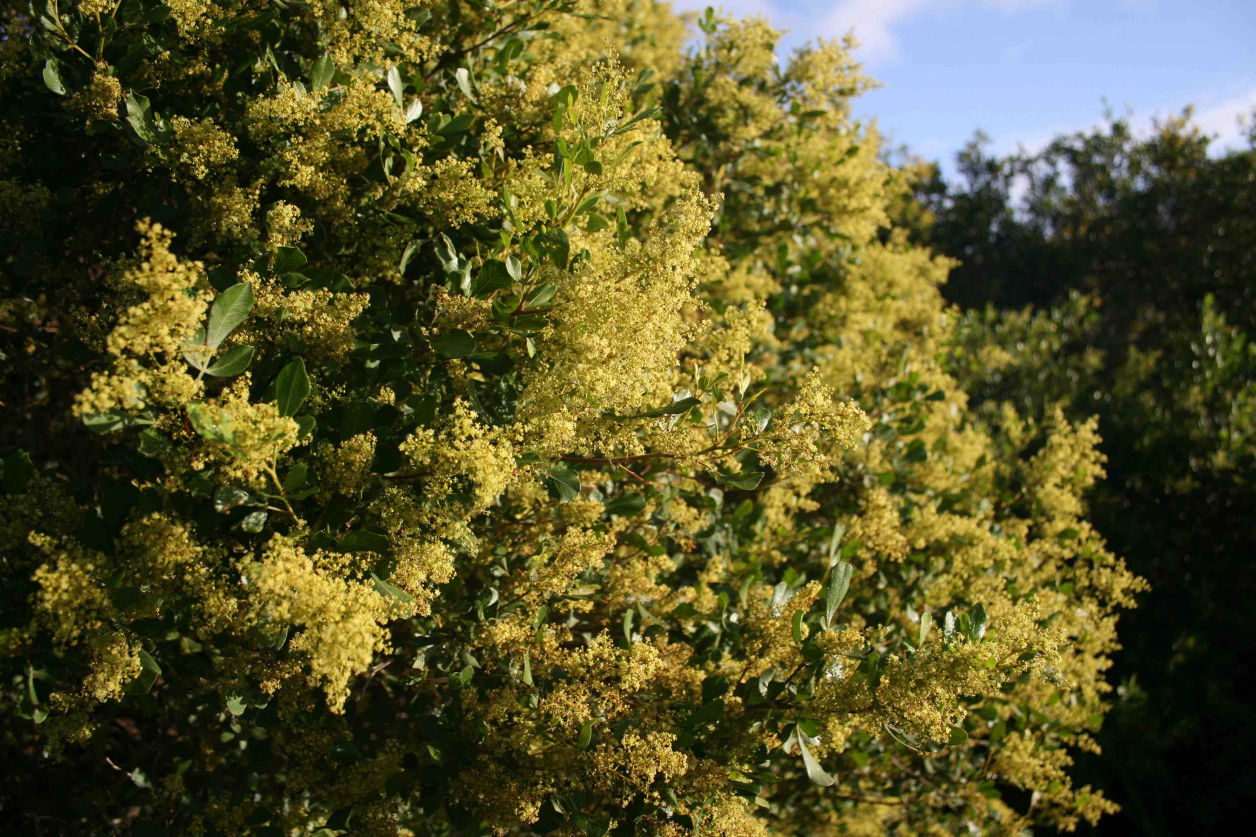
As can be seen in the picture, when they are in bloom, the power of this "natural" garden, is extremely obvious
Milkwood tree
The Milkwood tree is South Africa's national tree and is protected. But that shouldn't stop you eating its delicious berries. These berries, tasting remotely similar to cherries, have a high pectin content ideal to make jams.
Noem-Noem
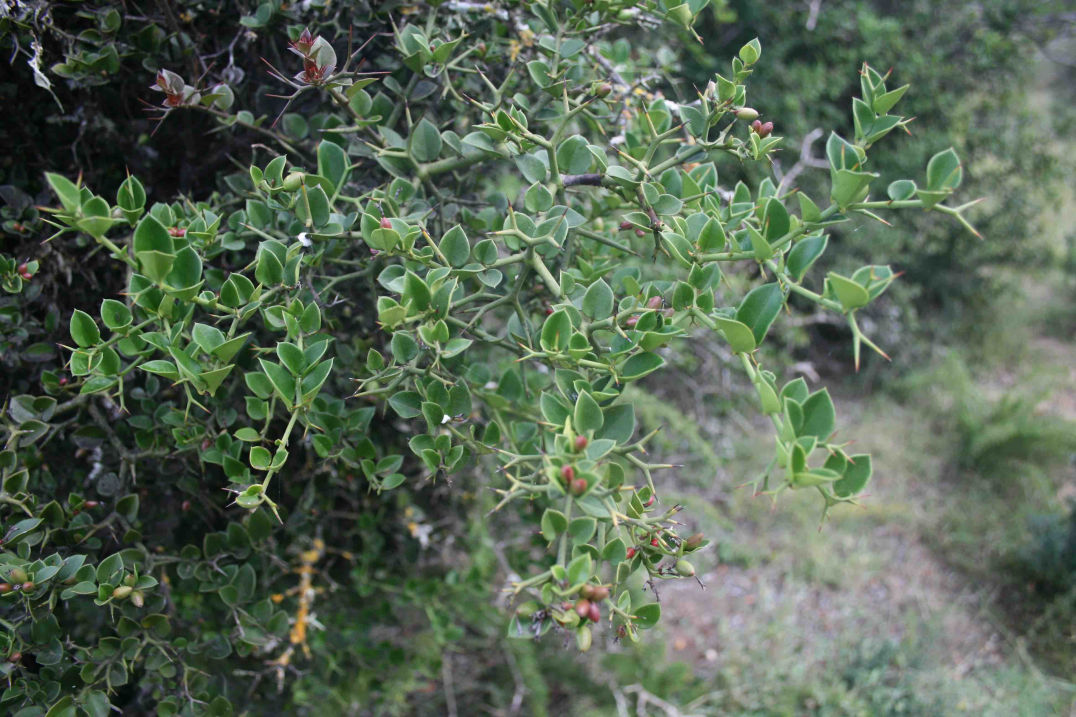
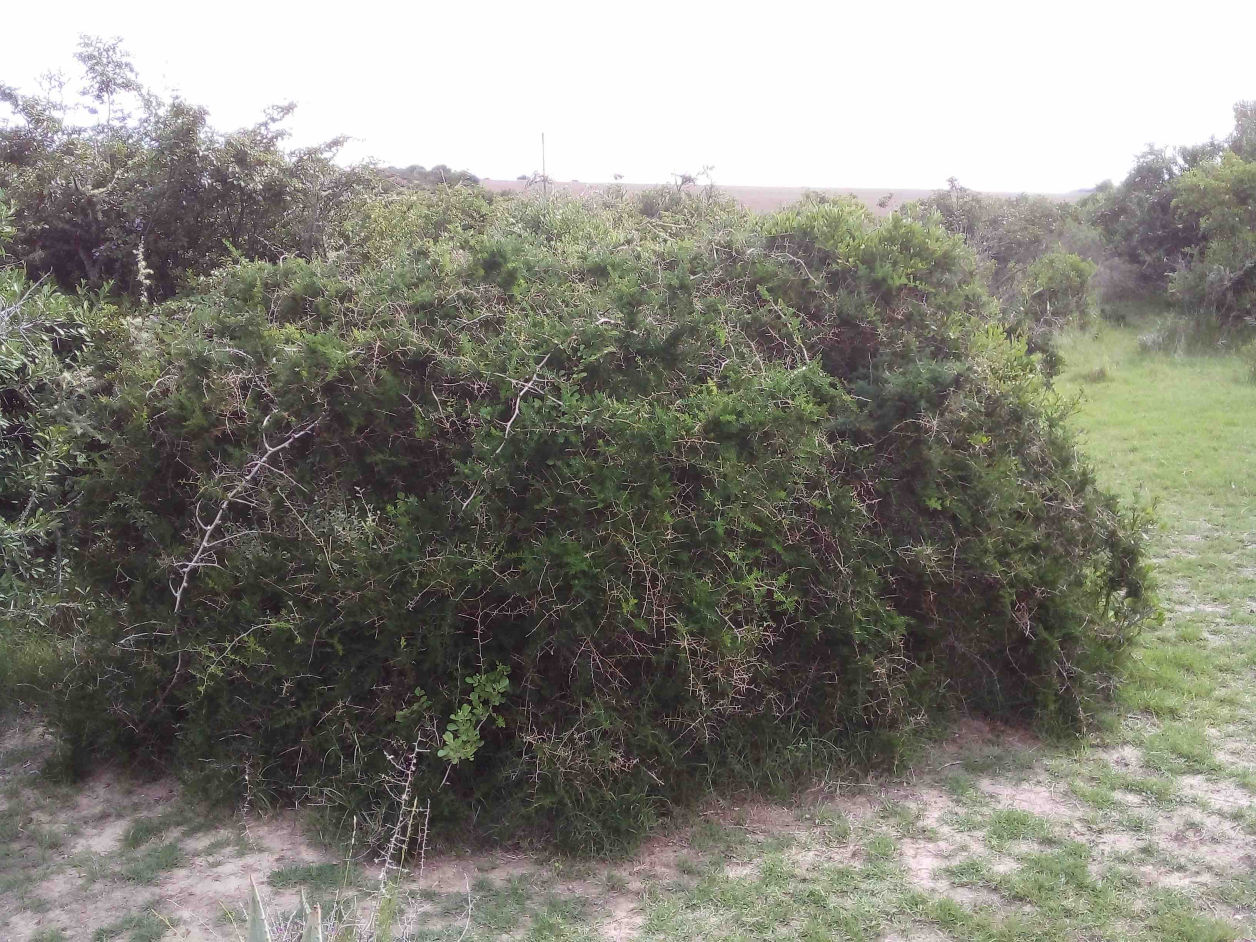
This thorny shrub was originally used to build kraals for animals because of its double spined thorns creating an impenetrable fence. They produce a large quantity of small red berries that are delicious to eat. Think plum when comparing taste.
The berries are also high in pectin which can be seen as a white substance protruding from the berry when picked so the berries were added to make a jam from fruit without pectin.
African Boxthorn
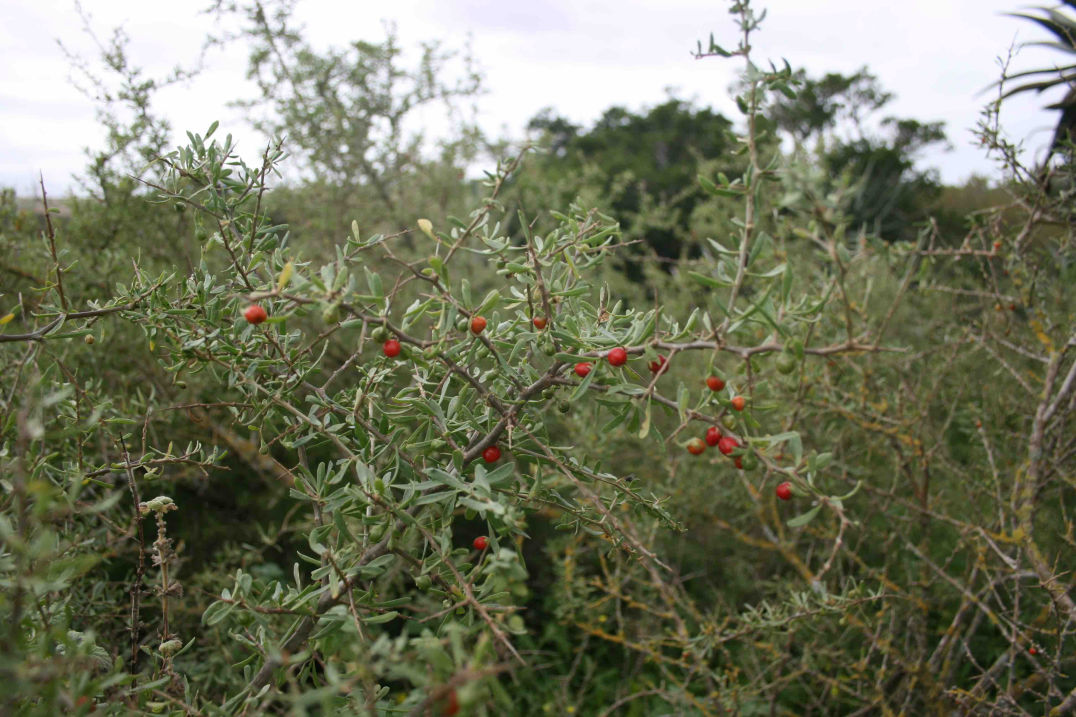
This shrub, also called Snake berry, member of the potato family, bears prolific berries but don't indulge as the berries have a sedative effect when eaten too much. Nevertheless, a good alternative for cherry tomatoes in a salad.
Asparagus
Really, nobody knows how an asparagus plant looks like as we are only eating the fresh young shoots. This is the original asparagus, the uncultivated one but just as nice to eat. Keep in mind though, it seems that the young shoots are adored and sought after by all the wildlife on the farm so if you really want to eat them fresh, you really need to go and find them.
Acacia mearnsii
Whether we are talking about the Acacia karroo, the indigenous acacia or the Acacia mearnsii, the imported blackwattle tree, don't underestimate its importance. These short-lived pioneer trees are legumes and therefore improve the surrounding soil quality. The leaves provide excellent livestock fodder and the seeds are extremely dense in nutrients (energy as well as protein). Wattles are the best ambassadors for rewilding as they prepare the environment to grow long lasting trees (like the wild olive on our farm). No wonder the United Nations emphasizes on Acacia as a way of combatting Climate Change while maintaining productive food environments. The seeds can be ground into a gluten-free flour for baking delicious cookies or roasted. The khoi created a coffee from the roasted seeds. Even the blossoms are being used in the fragrance industry, the beauty sector as well as the culinary sector. Warning, the seeds of some Acacia are toxic when raw.
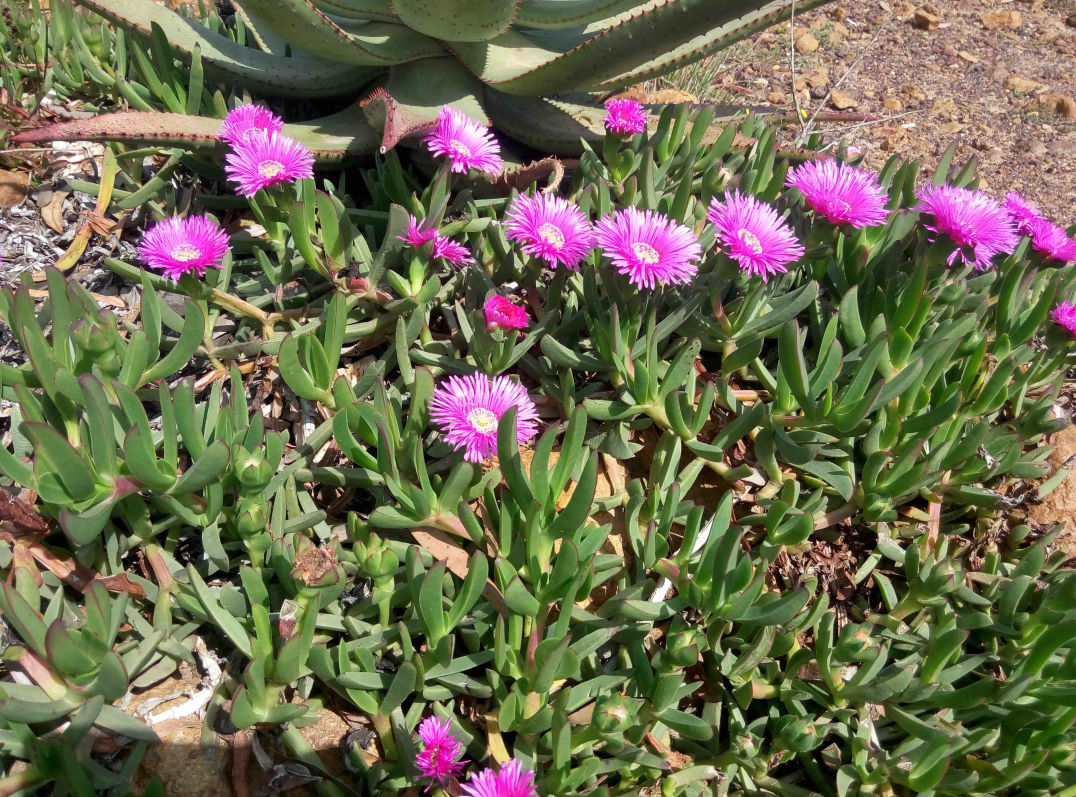
Sea fig
A local delicatesse, this sour-tasting fig is not only delicious to eat, the leaves have strong antiseptic characteristics.
Although the fruits can be eaten fresh, it is more commonly used to make a very tart jam. Its cousin, Carpobrotus edulis, the sour fig, has attracted a lot more attention for its edible characteristics but has unfortunately received a lot of unwanted attention because of its invasiveness outside of its natural habitat.
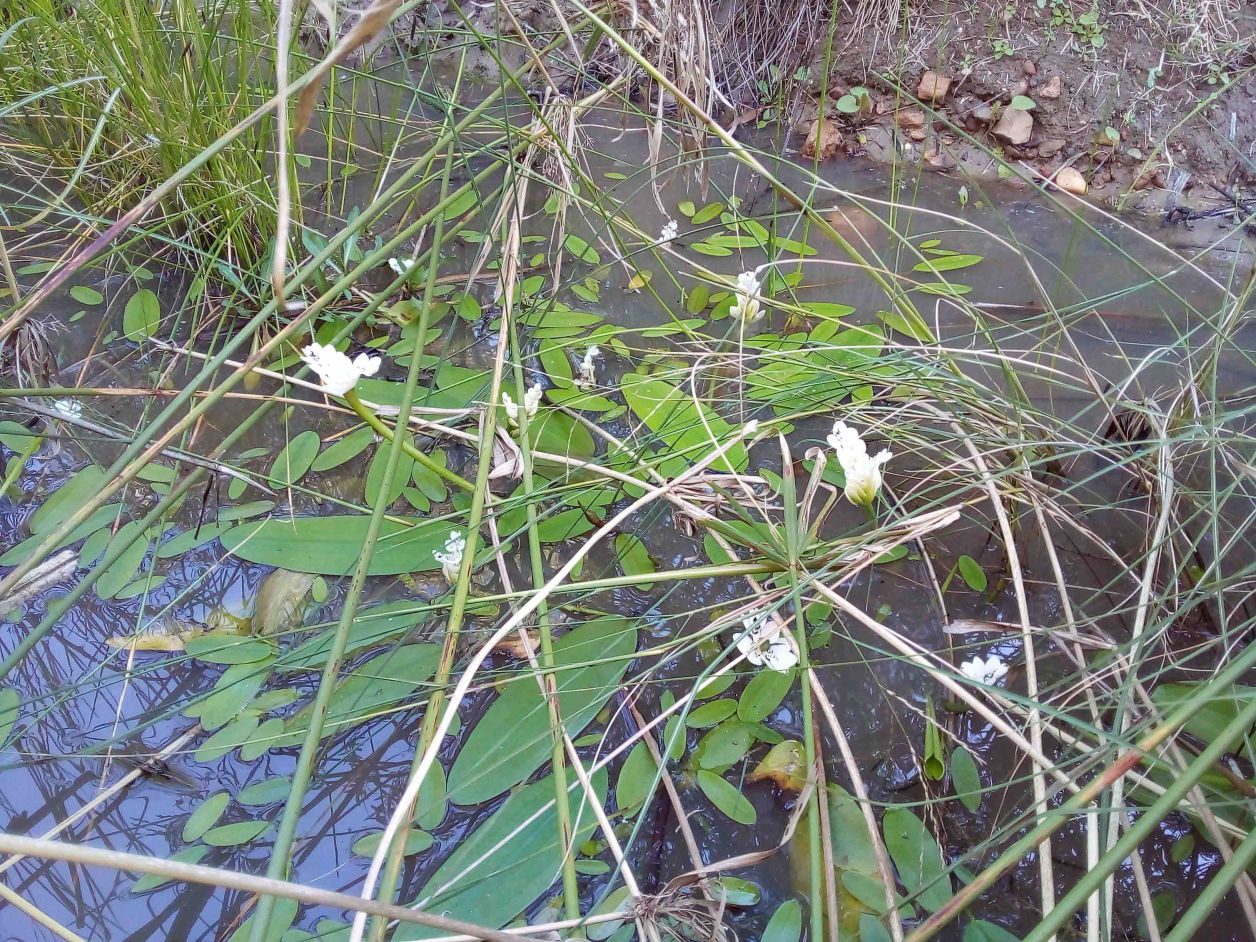
Waterblommetjie
This aquatic plant is well known in the Western Cape province and is even commercially grown and sold. And although you can buy the fruit from the flowers, the entire plant is edible. The stems were an important source of starch for the original inhabitants and even the roots are very nutritious. The traditional waterblommetjie bredie, is a lamb stew with the fruits. As for the spices in this delicious stew, check out our next entry, the Oxalis family.
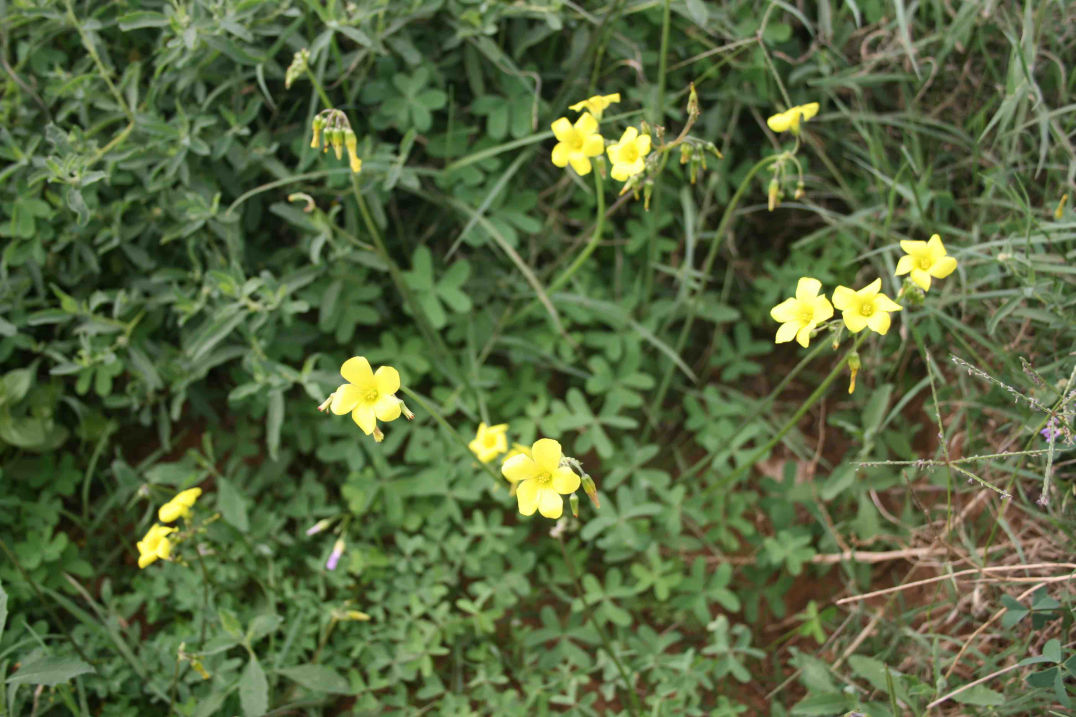
Sorrel
This tiny flower and its stem taste like childhood. Oxalis is one of biggest plant families in the world and occurs everywhere. Do you remember the days as a child where you would walk outside biting the stem of a plant because of its sour taste? Well, that is Oxalis.
Sorrel has traditionally been used to add acidity to a dish. Great flavour! Give it a try. All parts are edible, including the bulbs.
Bitou
Also known as Tickberry, this plant produces an abundance of small tasty berries. You have to be quick though as they are much loved by the birdlife.
Poison Star-apple
Although the name indicates these berries to be poisonous, recent research has shown that this berry played an important role in the diet of our ancestors. After all, they are in the same family as the persimmon and taste very much alike. The wood of this tree might be familiar to you, it is called ebony.
Bees
With an abundance of flowers on the land, it is the ideal environment for bees which can provide honey as an alternative to sugar. During the 5 year extreme drought (2016-2020) when there was no surface water anywhere in the neighborhood, we would create a small puddle in our washing basis so that the bees could drink. Talk about a buzzing bathroom! The native honeybee in this area, Apis mellifera capensis, is a small docile bee unlike its cousin from up north which came to be known as the African killer bee.
Wild Garlic
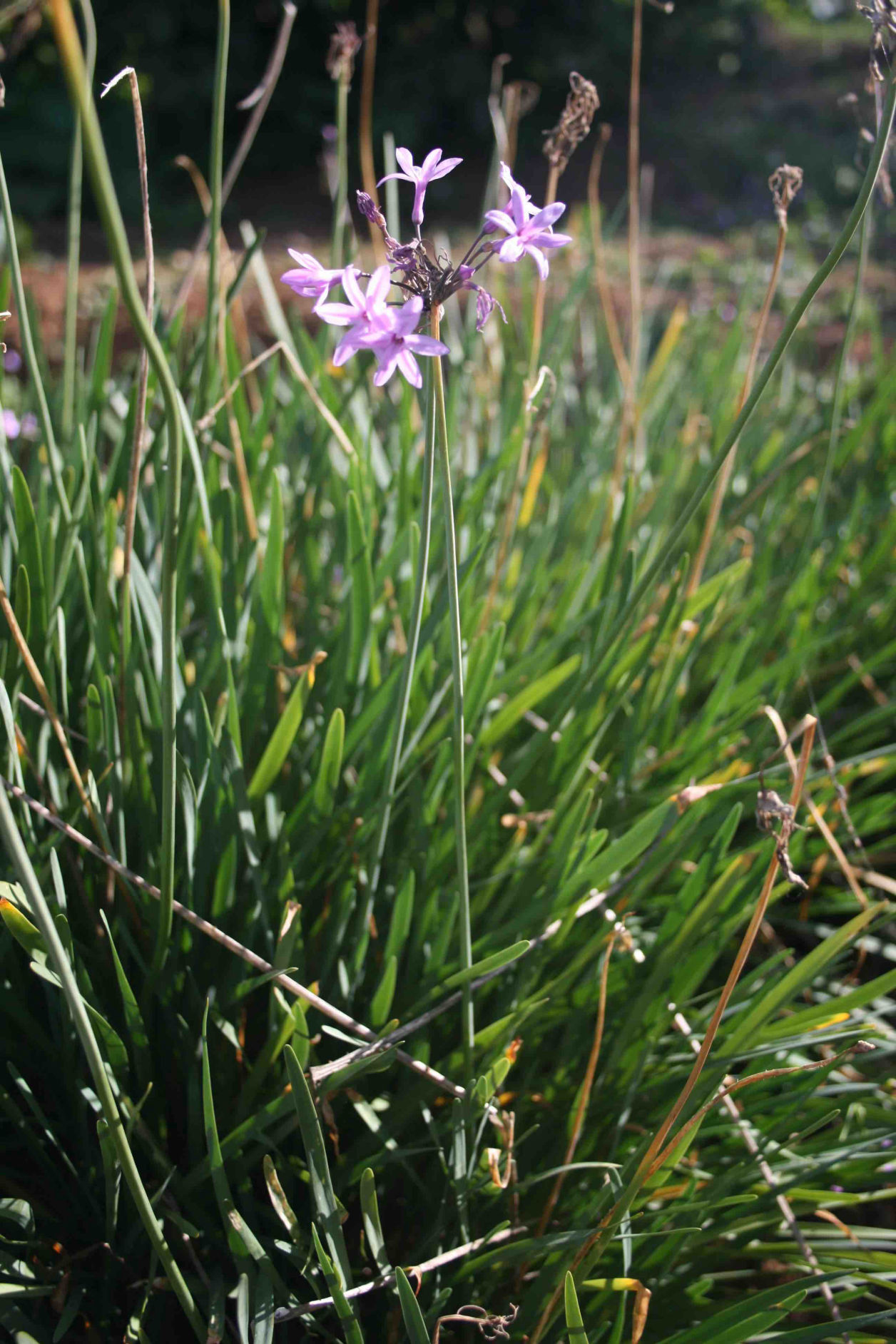
This member of the alium family gives you everything normal garlic does for you. Besides making your food taste good, it has all the same medicinal properties as garlic.
Wild Rosemary
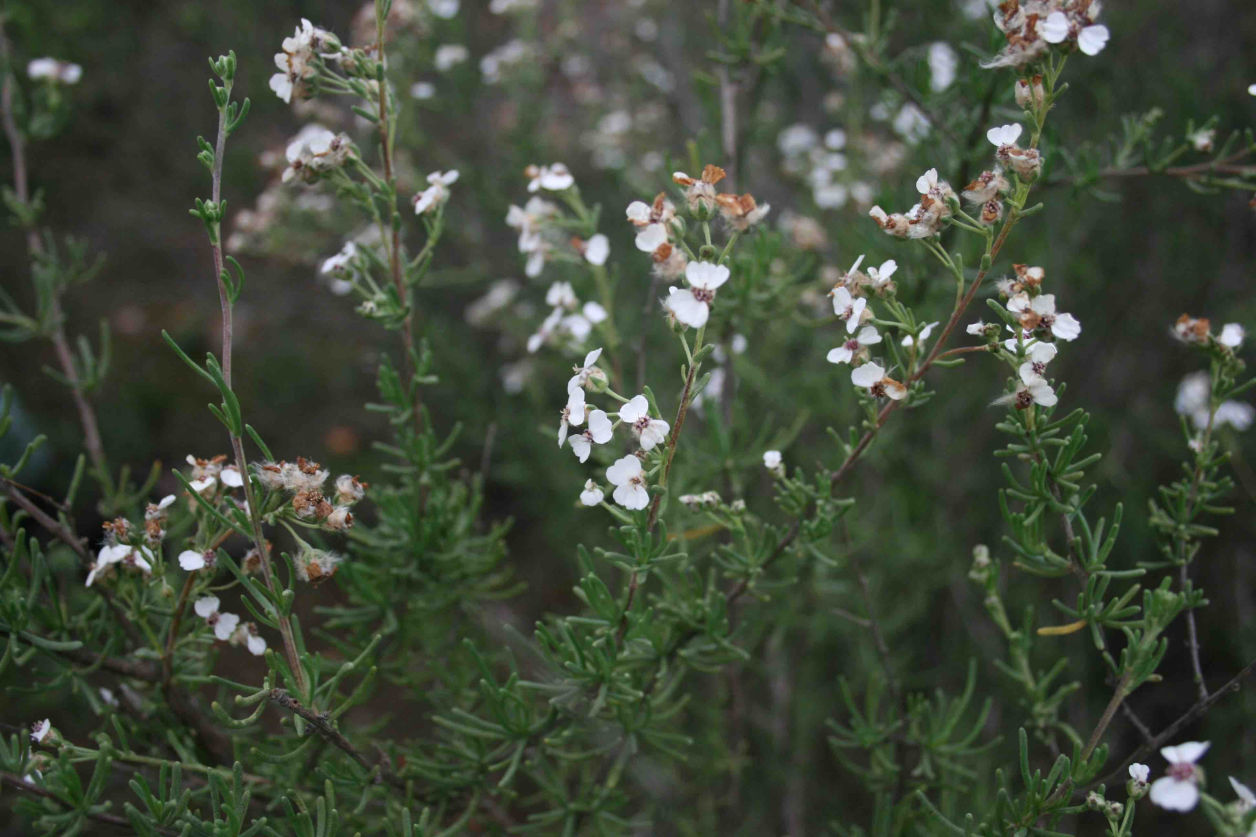
Wild Rosemary is an important shrub on the farm. It is not only delicious to spice your dishes, it can also be used to create a specific smell on the braai. Did you know that sheep love to nibble on this shrub? It really is a "pre-seasoning" of the meat. Research has shown that consumers tasting the meat of sheep/lambs who have access to this shrub, are willing to pay an extra 5%. We call this natural added-value.
Cynodon dactylon grass
The grass is food? Well, it certainly is for our sheep, as it has a very high nutritional content, grows very easy and uses a deep root system to provide ample nutrients during the dry summer months. But our dominant grass species, locally known as Kweek, is also used by humans as food and medicine because of its antibacterial properties. It is even used in the making of traditional beer to aid the fermentation process.
Devil's Thorn
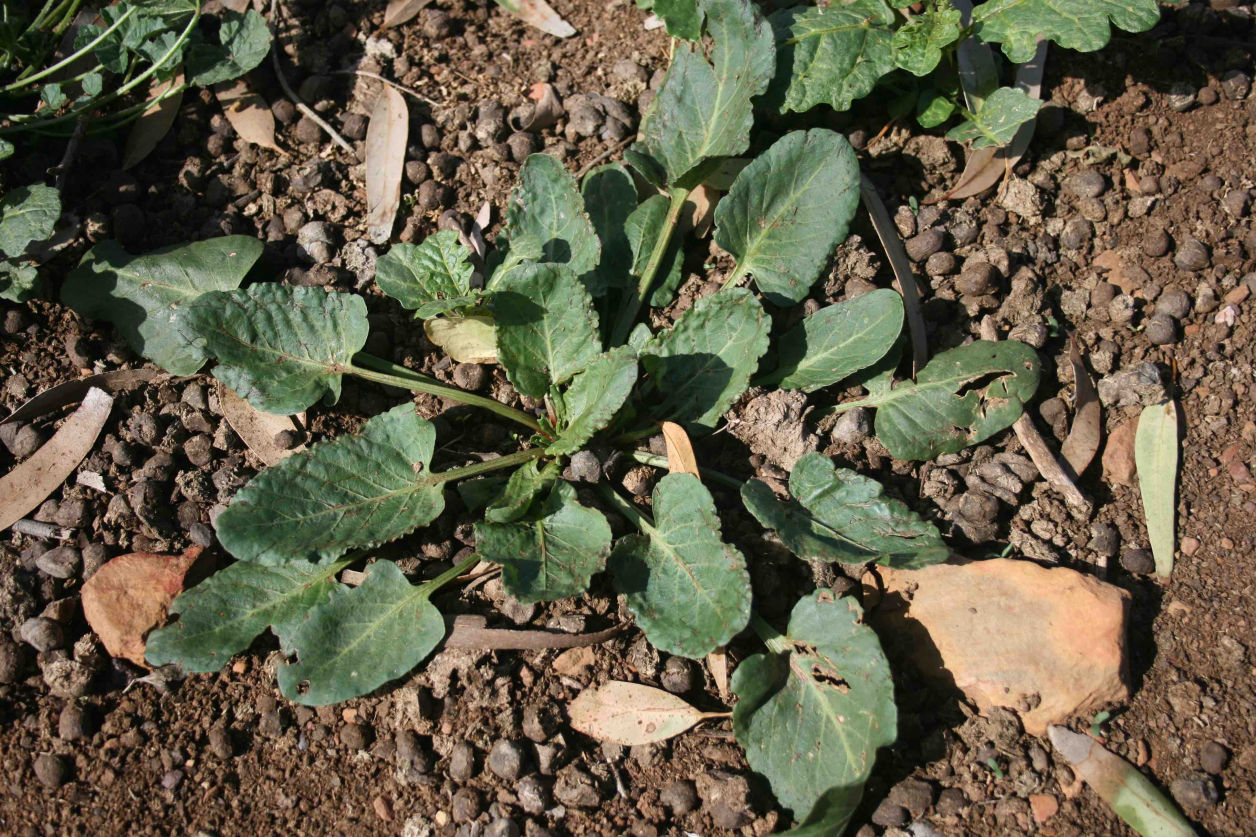
Leafy greens! This much-hated weed was used by the sailors on the ancient trade routes as a spinach substitute. The leaves are high in iron, vitamin C, folic acid and other essential trace elements. It is hated because it produces a prolific amount of spiny seeds. Each seed has 3 spines in such a position that there is always one pointing straight up. Walking barefoot in this area is a nightmare!
But do not underestimate the nutritional value of this plant. With its 251.6 KCal/100gram and a protein content of 19%, these leaves are more nutritious than bread! And it can be found around the world in the warmer and drier areas. It is being researched as a food security item in catastrophic scenarios. The tap root is also edible and can be compared to a carrot.
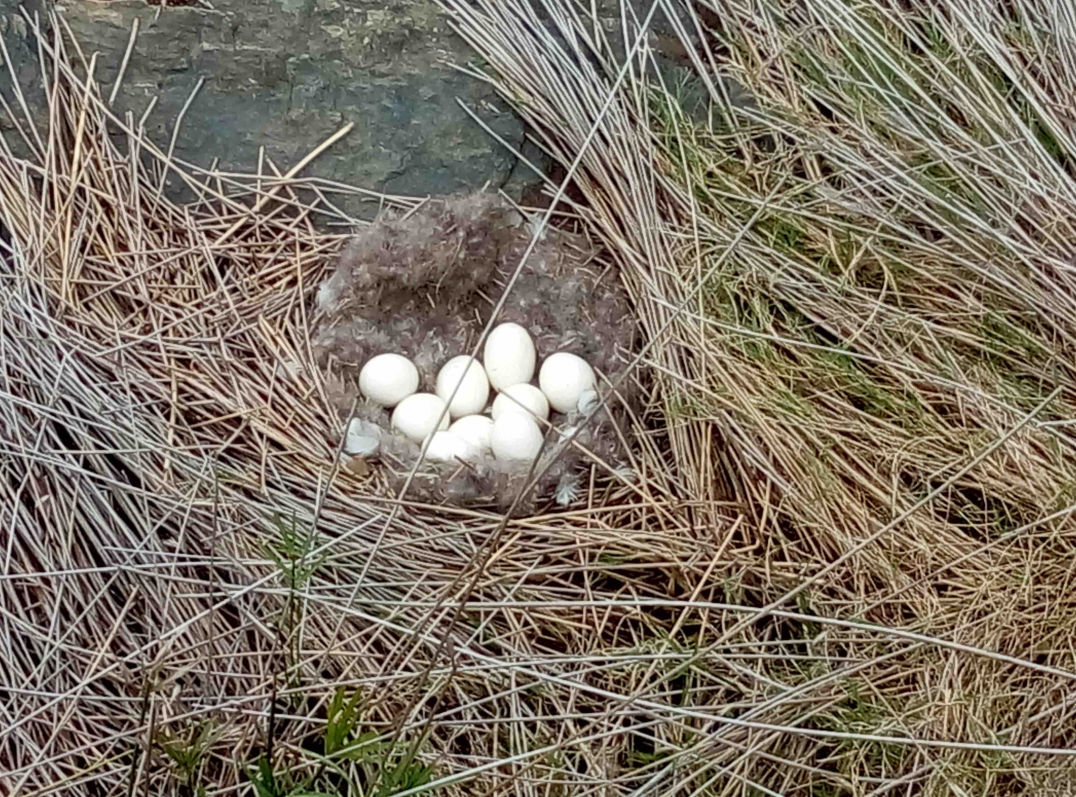
Egyptian Goose eggs
Food is obviously not limited to plants. Let us not forget what has been the most important food item for humans since the beginning, eggs. With over 160 bird species on the farm, huge amounts of eggs can be found. And not only from the birds but also from snakes or tortoises. With several hundreds of wild Guinea fowl, pheasants or quail on the land, eggs are always plentiful. And let us not forget our small flock of hens, supplying us with effortless eggs so that the natural world can take its course.
White Parasol or Death Cap?
When the autumn rains arrive and the soil regains its moisture levels, mushrooms appear everywhere. When eating mushrooms from nature, make sure you are well informed as there are several highly toxic mushrooms in this environment.
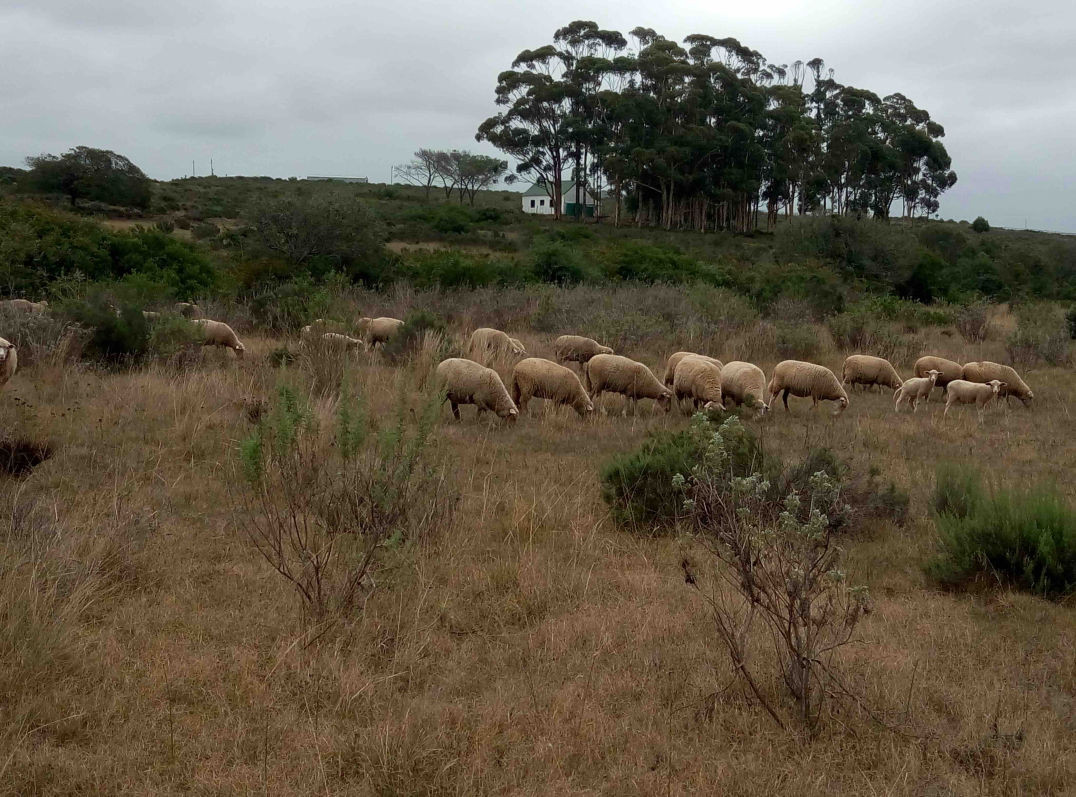
Grazing sheep
Integrating livestock into a natural environment can be extremely beneficial for all. Our free range sheep are far better landscape managers than humans will ever be. They ensure the optimal balance between grasslands, shrublands and forest, distribute and plant seeds and regenerate the soil. It also allows us an environment where wild mammals and birds are free of the fear of being hunted.
Garden
Besides all the indigenous food items in our natural environment, we also have a fully natural garden with modern foods. From swiss chard to pumpkin, from grapes to plums, from thyme to basil, from parsnip to sweet potato and anything in between, it grows happily in our dedicated "modern" food forest. But this environment is also shared with the majority of our natural family. No pesticides, no herbicides, no traps, no household solutions, no irrigation, nothing but nature in our personal garden.
AI Website Builder