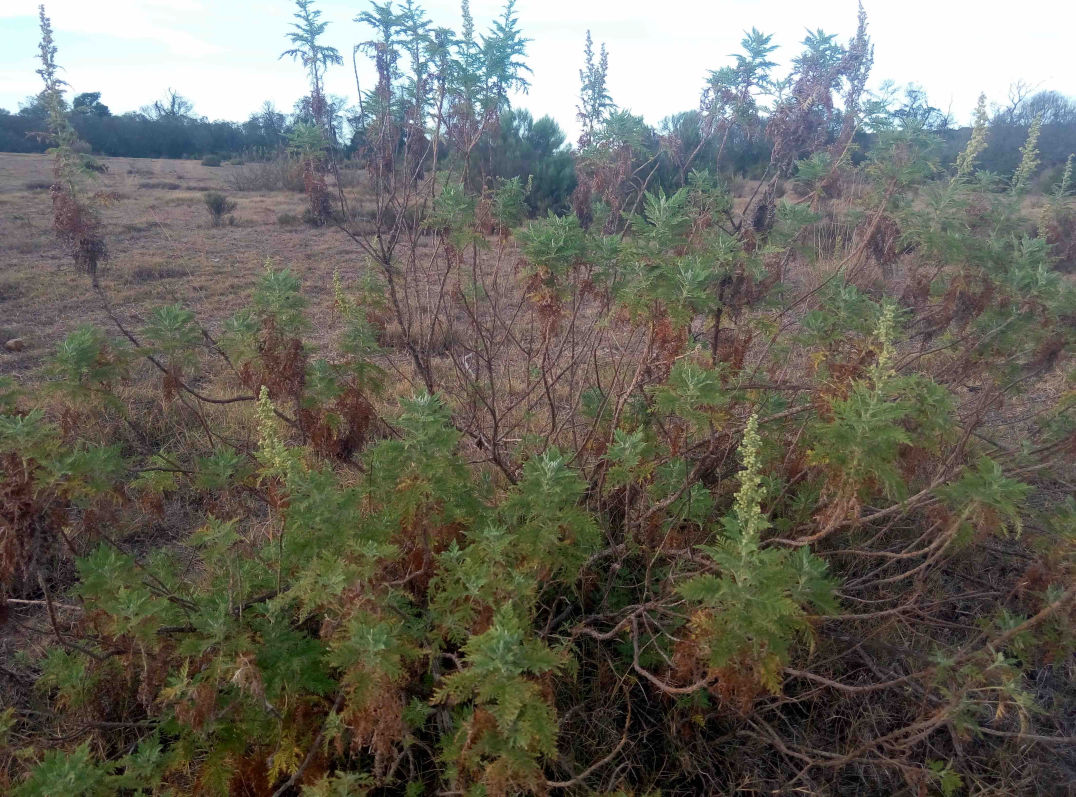
African Wormwood
Let's start with the most important one. This all-in-one medicine is a delight and it became famous when the president of Madagascar claimed that Covid vaccines were not needed in his country as they have a natural solution based on this plant. Although ridiculed initially, Universities in Germany and the US, quickly discovered that an extract from this plant inhibits Covid replication without any cytotoxicity. So a tea made from this plant is a wonderful antiviral. But it also works as an antiseptic, it prevents and cures malaria, it removes intestinal worms (great for our sheep) and it is an insect-repellent on top of it.
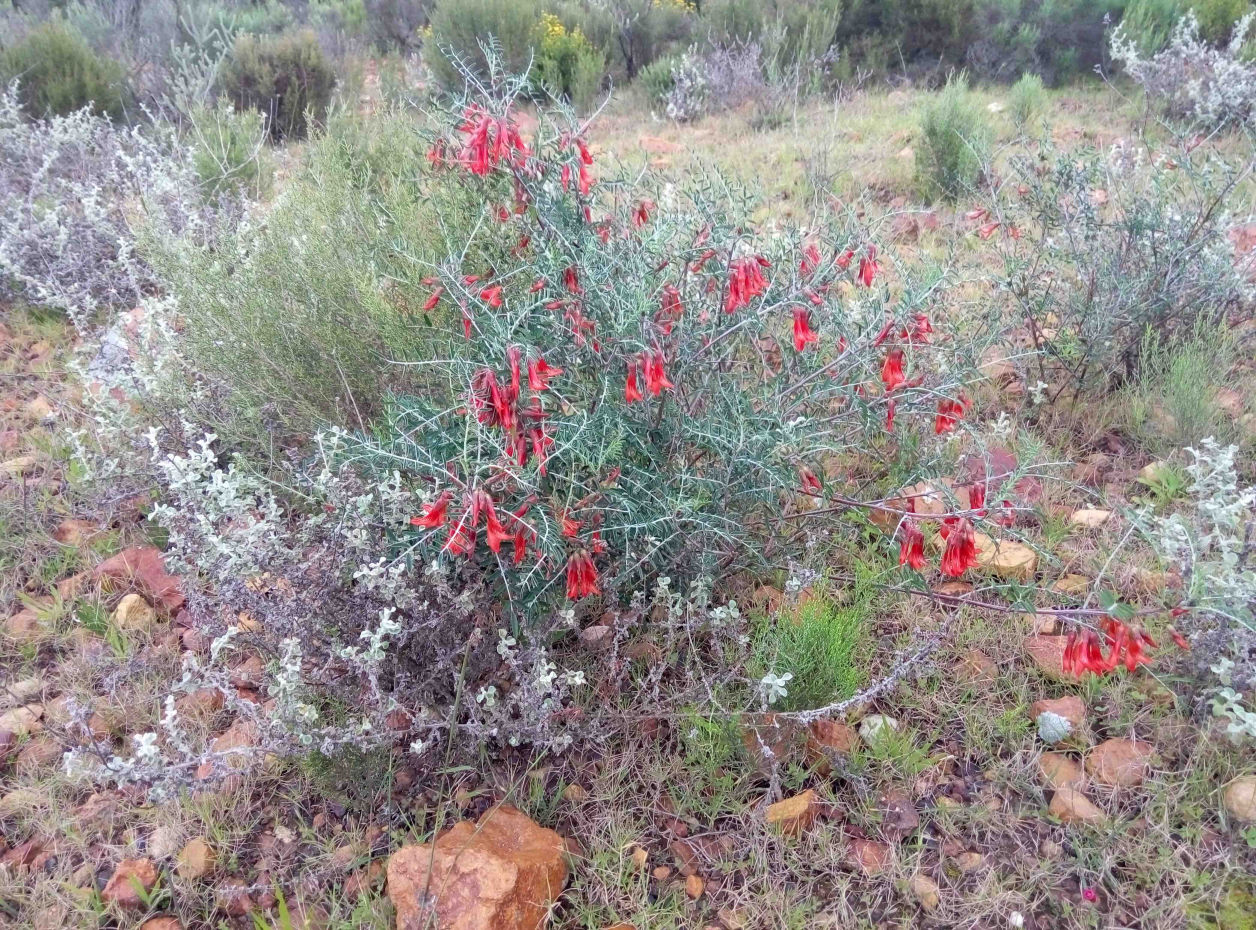
Cancer Bush
Cancer Bush, as the name indicates, is a plant that has been used traditionally to prevent and to treat cancer. It is quite common for people in this area to regularly drink a tea from this plant. It is the only plant which has been shown to kill cancer cells (for now). There is a huge commercial interest in this plant which will soon become a household item as a herbal tea.
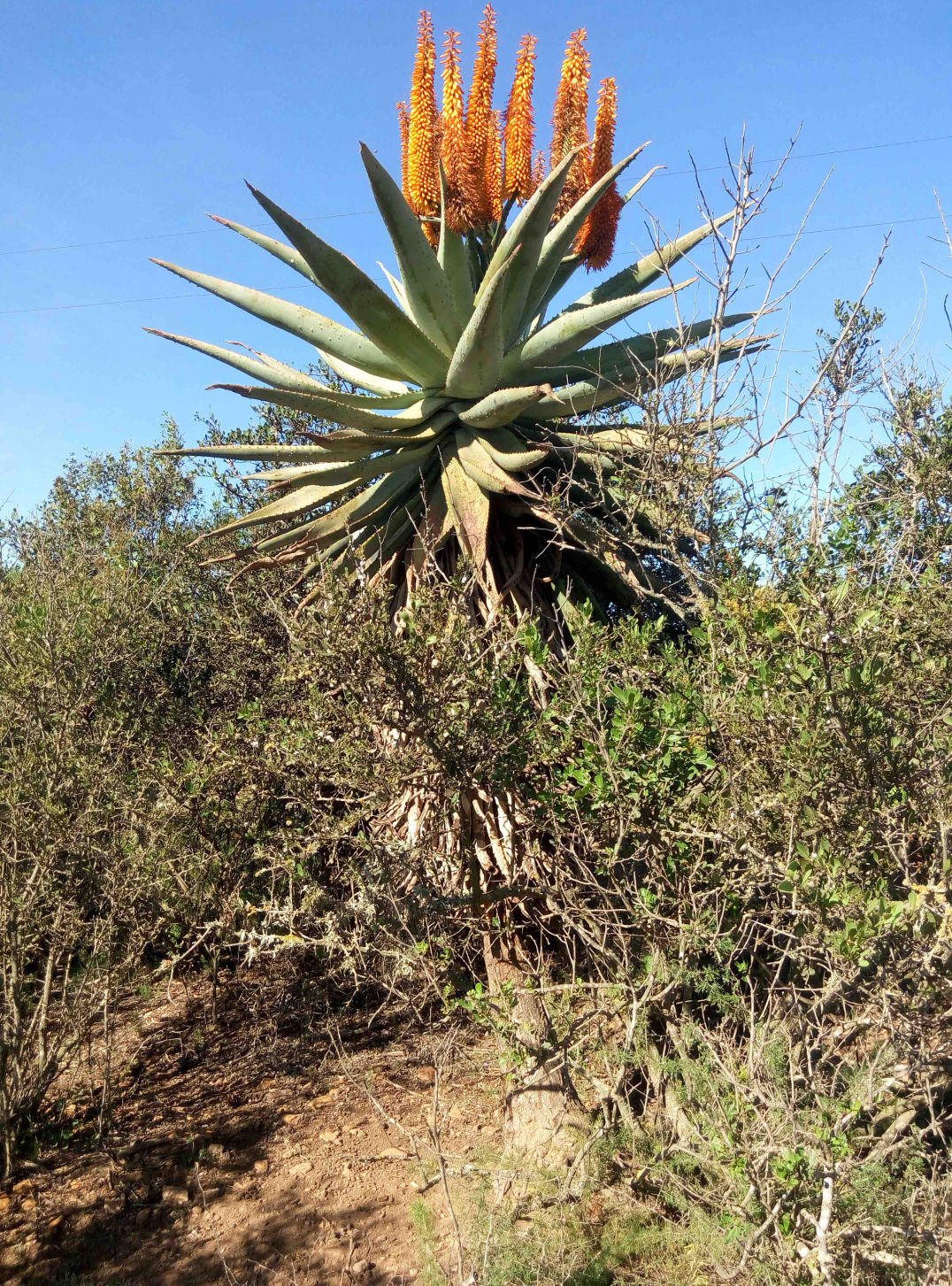
Aloe Ferox
By far the most abundant Aloe on the farm, the uses for Aloe have become quite familiar with most of us. It is most commonly used for its purgative properties but it is used for a wide variety of medicinal (and culinary) purposes. Probably the best known medicinal application is in skin care. Did you know that after the bombing of Hiroshima and Nagasaki, the burned people were treated with Aloe juice as it would heal the burn wounds 3 times faster than any other product available at that time?
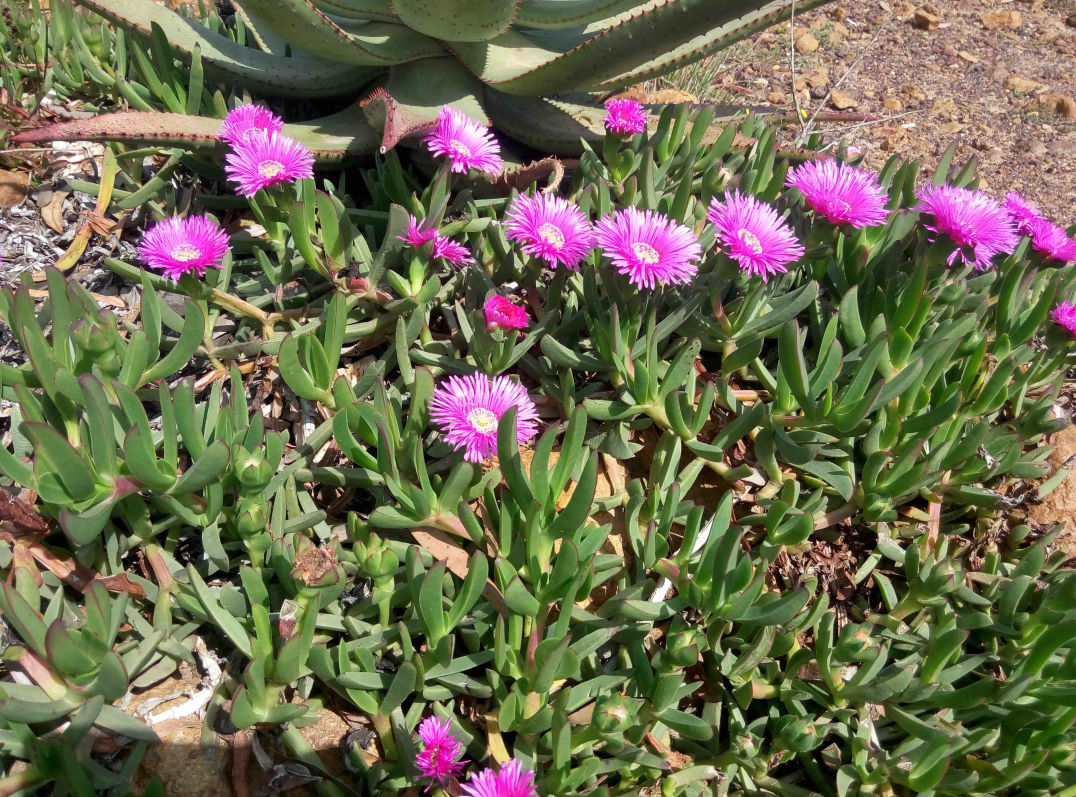
Sea Fig
The leaves of all the members of this plant family have antiseptic properties and are ideal when having an itch or being bitten by an insect. Just crush the leave and gently rub it onto the sore area. If you go to the beach and get stung by a bluebottle, just find this plant which is abundant in the dunes and rub a leave over the affected area. The irritation will immediately disappear. As always, nature has a solution right next to the problem.
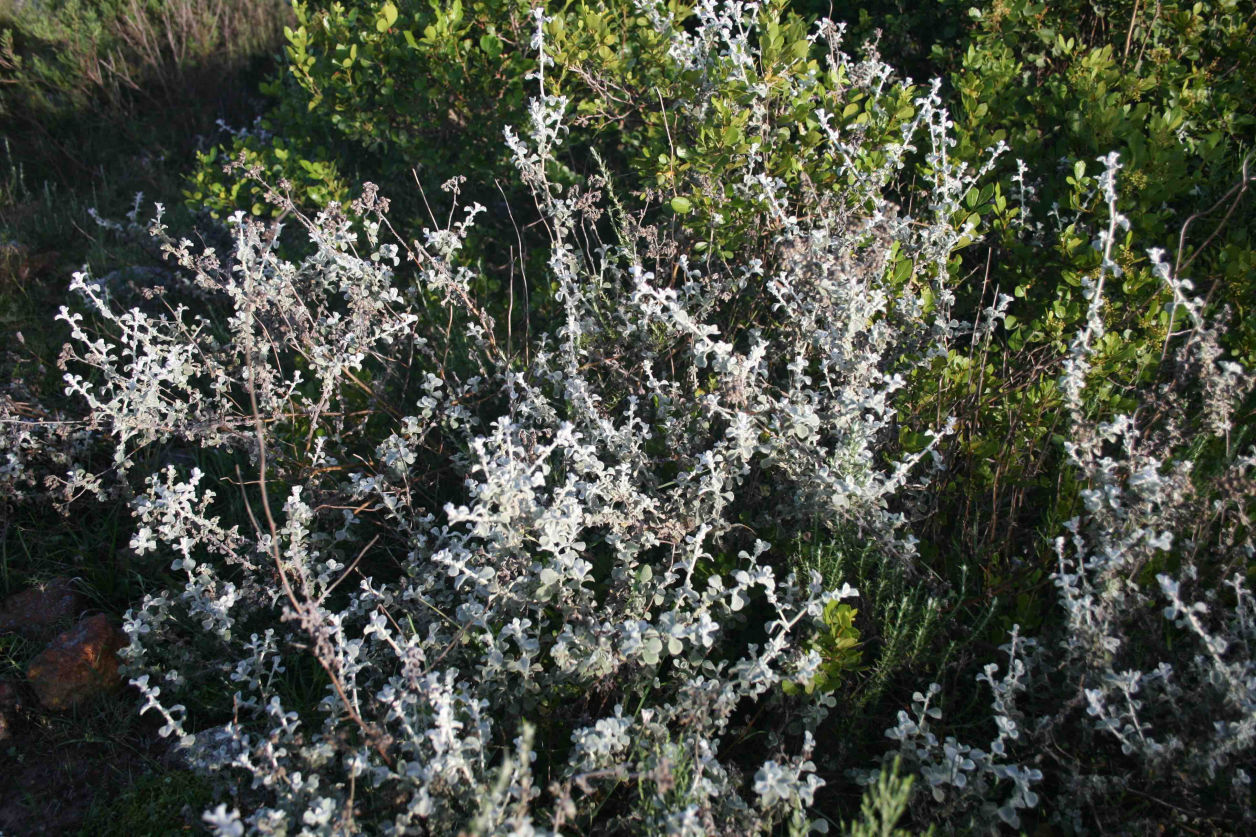
Impepho
An extremely versatile herb/shrub. Within South Africa it is best known as the herb that allows communication with the ancestors. It is dried and then burned as an incense. Because of its fragrant and insect-repellent smell, it is also the oldest known plant that was used for medicinal purposes. 70.000 years ago, people would make bedding with the use of sedge which was interwoven with impepho to keep the bugs at bay during the night.
The smell is known to reduce migraines, to relax the muscles and supports your mental health.
More modern uses include a lotion to stop acné.
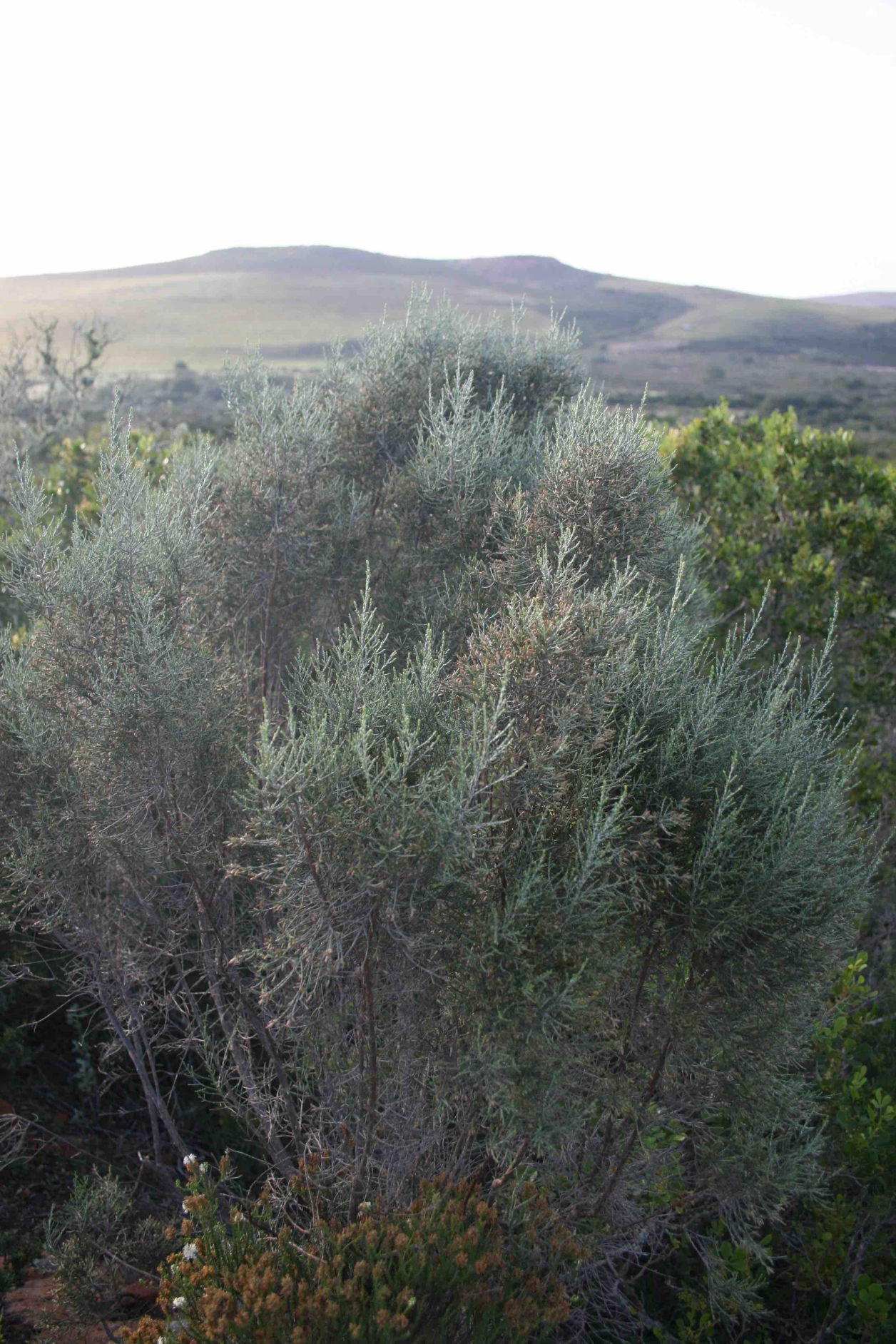
Renosterbos
This is the dominant shrub in our environment. Hence they named this type of ecosystem, Renosterveld. The name Renoster refers to a rhino, an animal which has long disappeared from this area. This shrub was the first to be used by the early Dutch settlers for medicinal purposes. It has long since been used to treat a variety of ailments, from flu to diarrhea and convulsions. A twig or two in a bottle of brandy brings relief for heartburn, flatulence or dyspepsia. It was nature's wonder during the Influenza pandemic of 1918 for its antiviral properties.
Bitter Apple
This spiny, branching shrub of the potato family bears very poisonous fruits which have been used for centuries as medicine. Due to the toxicity only applied externally. The fruit and the leaves are turned into a paste which can then be applied for skin infections (such as ringworm) but also for mange on animals, saddle and harness sores on horses or scabs on sheep. It is even used for anthrax pustules on cattle. Have an unbearable toothache and no chance to see a dentist urgently? Press a slice of the fruit onto the painful area to sedate it but never swallow the juice!
It is believed that tying a piece of root around your waist, wrist or neck, protects you from harm.
Arctopus
The Afrikaans name for this plant (Sieketroos) literally means "comfort for those who are sick" and was one of the first medicinal plants given by the Khoi to the early settlers for its antimicrobial characteristics. Recent research has shown this plant to be effective in eliminating Staphylococcus Aurus, a bacteria much feared by the modern world for its antibiotic resistance (commonly known as MRSA or the hospital bacteria).
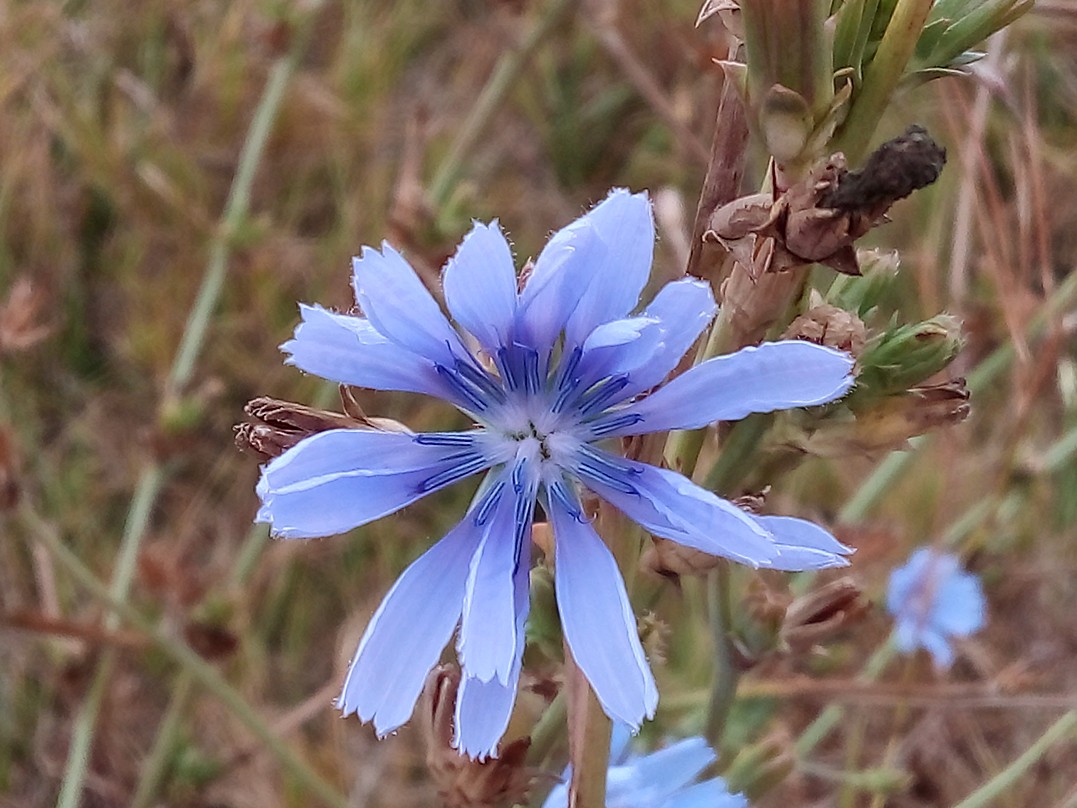
Chicory
Yet another marvel of the healing power of nature. Chicory is considered anti-inflammatory, anti-fungal, anti-viral, anti-bacterial, anti-carcinogenic and anti-parasitic. Most common traditional uses are for rheumatism, gout and as a diuretic in general.
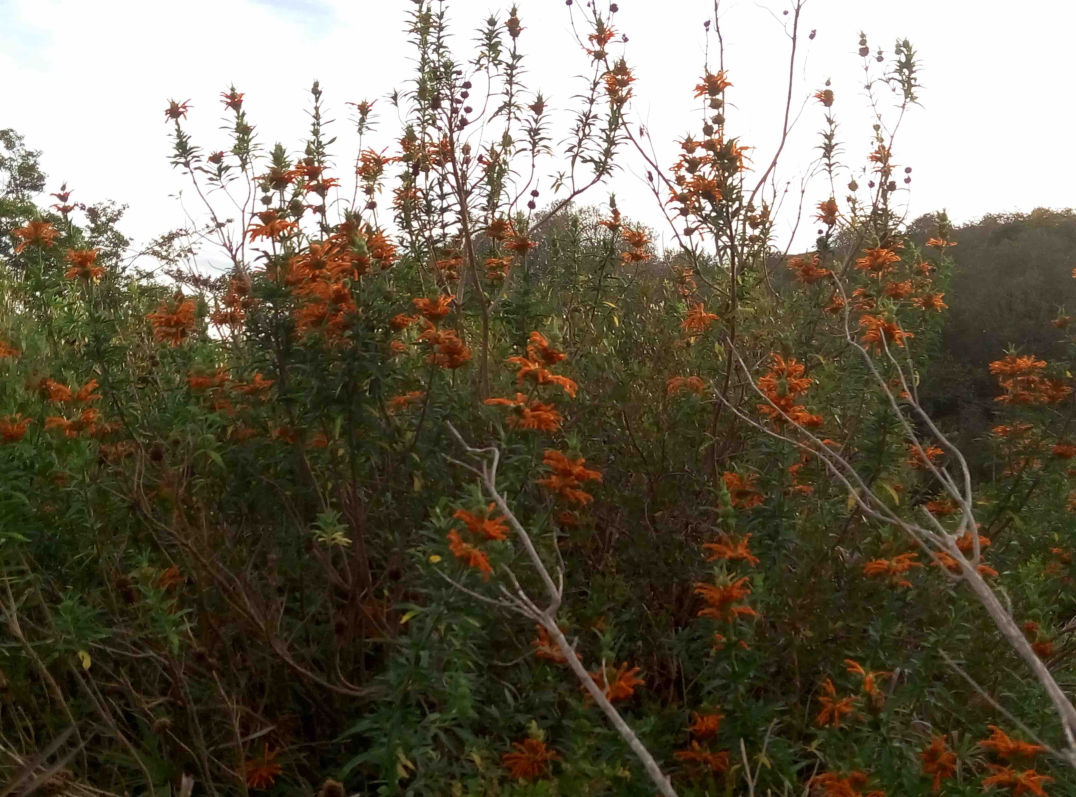
Wild Dagga
This beautiful and spectacular shrub with its bright orange flowers is not only very pleasing to the eye, it has also remarkable medicinal purposes. The Khoi people used this plant as an alternative to tobacco but it is also widely used to make a tea for the treatment of haemorrhoids, chest ailments, bronchitis, jaundice, asthma and epilepsy.
The older generations even drank this tea to avoid obesity!
Mobirise.com